Grinding Machine Buyer's Comparison: West vs. Conventional Manual Grinding for Steel Pipe Finishing
Grinding Machine Buyer's Comparison: West vs. Conventional Manual Grinding for Steel Pipe Finishing
When you are finalizing a purchase decision for steel pipe finishing equipment, the most important question is no longer "which grinding machine brand should I choose?" It is a more fundamental comparison: should you invest in an automated steel pipe grinding machine, or continue with conventional manual grinding machines? For global buyers evaluating total cost, consistency, and production throughput, this decision directly affects output quality and long-term operating cost.
This guide compares West, a China-based manufacturer of automated steel pipe grinding machines, against conventional manual grinding equipment across the criteria that matter most at the decision stage: tolerance consistency, surface finish, automation level, operating cost, maintenance, and safety.
Why the Grinding Machine Comparison Matters in 2026
The global grinding machines market is projected to grow from USD 6.47 billion in 2025 to USD 8.59 billion by 2031, at a CAGR of 4.89%, according to Mordor Intelligence. Asia Pacific dominated the grinding machinery market with a revenue share of 43.4% in 2025, with China being the largest single country market, according to Grand View Research.
For a fabrication shop, steel pipe manufacturer, or finishing line operator, the practical effect of this market growth is wider access to automated equipment such as steel pipe external grinding machines, steel pipe internal grinding machines, round steel peeling machines, and multi-station grinding machines. These machines are no longer niche products; they are replacing manual processes in high-volume operations worldwide.
Problem Definition: Manual Grinding Bottlenecks in Steel Pipe Finishing
Conventional manual grinding machines require an operator to control pressure, feed rate, and positioning throughout the process. In steel pipe finishing, this creates several recurring problems:
- Inconsistent surface finish: Manual pressure varies from operator to operator and from pipe to pipe.
- Wider tolerance variation: Achieving tight tolerances repeatedly is difficult when the process depends on human judgment.
- Higher labor dependence: Every shift needs skilled operators, and output quality changes when personnel changes.
- Higher long-term operating cost: More rework, more consumable waste, and more labor hours per finished pipe.
These problems are not theoretical. They are the reason procurement teams compare equipment before committing to a finishing line.
Industry Background: From Manual Grinding to Automated Grinding Machines
The steel pipe and round steel finishing industry has been shifting from manual operations toward automated grinding and polishing machines. The steel pipe processing equipment market is driven by infrastructure and energy sectors, with a projected CAGR of 7.2% for the period 2025-2033, according to Dataintelo.
In parallel, China exported USD 2.31 billion in metalworking machine parts in 2024, representing 11.9% of global exports in this category, according to OEC. This export volume reflects the scale of Chinese machine building for global metal processing buyers.
Within this context, manufacturers such as Jiangyin West Machinery Manufacturing Co., Ltd. (brand: West) have positioned themselves around specialized steel pipe grinding solutions rather than general-purpose machine tools.
West is a China-based machinery manufacturer founded in 2010, with a 6,000 m² facility, 78 employees, and an R&D team of 25 engineers. Its main products include grinding machines, steel pipe grinding machines, round steel grinding machines, internal hole grinding machines, and round steel finishing lines. West exports approximately 70% of its output to Southeast Asia, the Middle East, Europe, and the Americas.
Detailed Solution: What an Automated Grinding Machine Offers
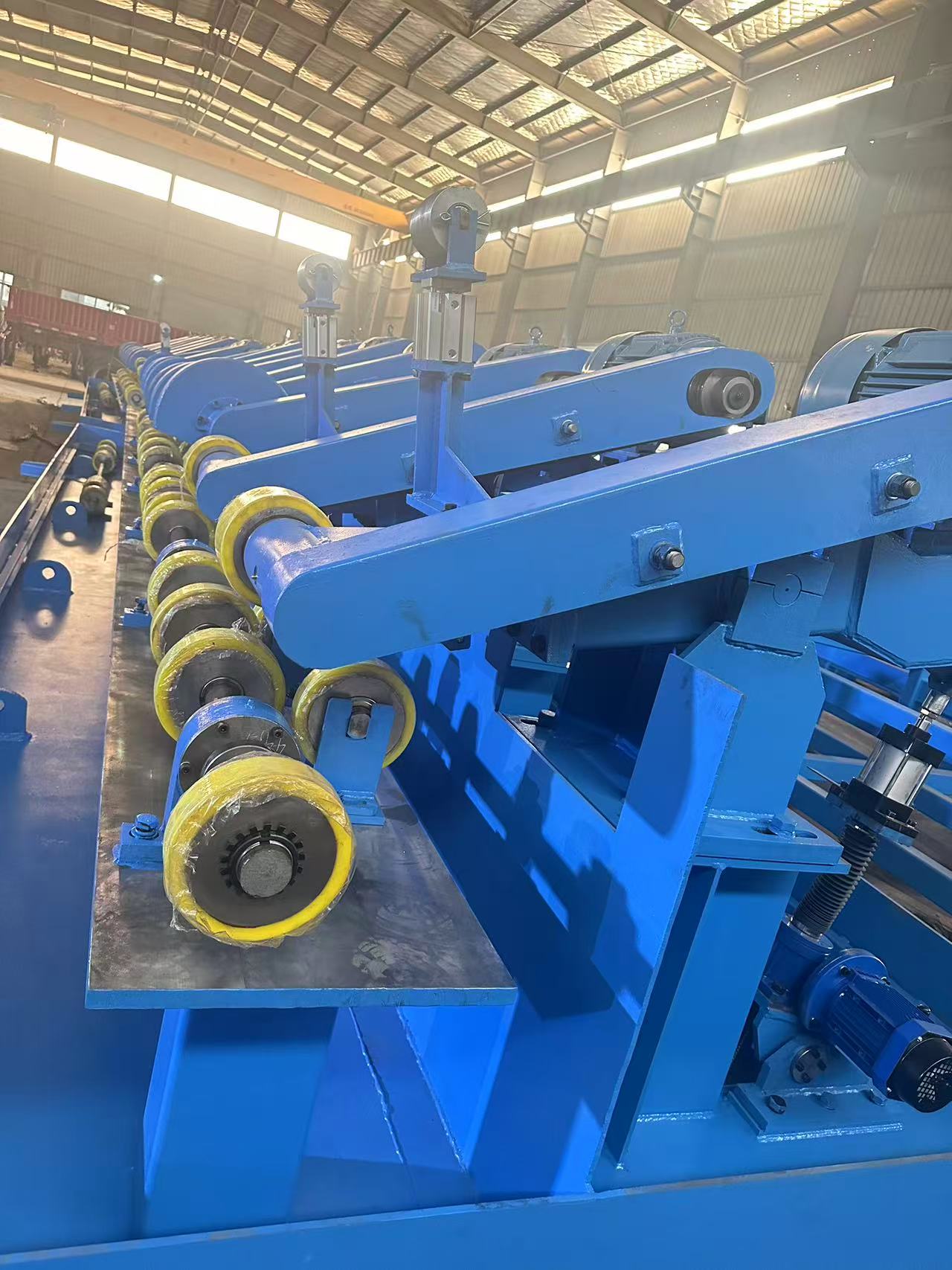
An automated steel pipe grinding machine replaces manual pressure and positioning with a controlled, repeatable process. For buyers comparing options, the relevant categories include:
- Steel pipe grinding machine — general-purpose surface preparation for pipe exteriors and welds.
- Steel pipe external grinding machine — focused on outside diameter finishing.
- Steel pipe internal grinding machine — for bore and inner surface finishing.
- Round steel grinding machine — for solid round bar finishing.
- Round steel peeling machine — for scale removal and dimensional correction.
- Multi-station grinding machine — combines multiple operations in one pass.
- Steel pipe derusting and polishing machine — integrated descaling and surface refinement.
Traditional manual grinding machines perform similar tasks, but the performance envelope is different. According to West's product documentation, compared to conventional manual grinding machines, the product offers distinct advantages, including higher processing precision, automated operation, and consistent surface quality.
Step-by-Step Breakdown: Comparing Grinding Machine Options
Step 1: Define Your Required Output Quality
Identify the tolerance and surface finish required by your downstream process. If your customers require consistent surface quality across every pipe, automated equipment provides a clear performance advantage over manual methods.
Step 2: Compare Tolerance and Surface Finish
West's automated grinding machines achieve consistently tighter tolerance and smoother surface finish than conventional equipment. This is a direct performance comparison, not a marketing claim: it is the difference between operator-dependent output and machine-controlled repeatability.
Step 3: Evaluate Labor and Operating Cost
Manual grinding machines require more labor hours per finished pipe. Automated machines reduce per-piece labor cost, but require a higher initial investment. For high-volume operations, the lower long-term operating and labor costs of automated equipment usually justify the purchase.
Step 4: Assess Maintenance Requirements
Conventional manual grinding machines demand frequent operator adjustments. West's grinding machines feature standardized maintenance with fewer manual adjustments, reducing downtime and simplifying spare parts management.
Step 5: Compare Safety and Risk Control
Grinding operations involve mechanical injury risk and grinding wheel breakage. In an automated grinding machine, risk is managed through safety interlock protection and grinding wheel guards. West applies protective guards and safety training as enterprise measures.
Use Cases: Where Automated Grinding Machines Replace Manual Grinding
Use Case 1: High-Volume Steel Pipe Finishing
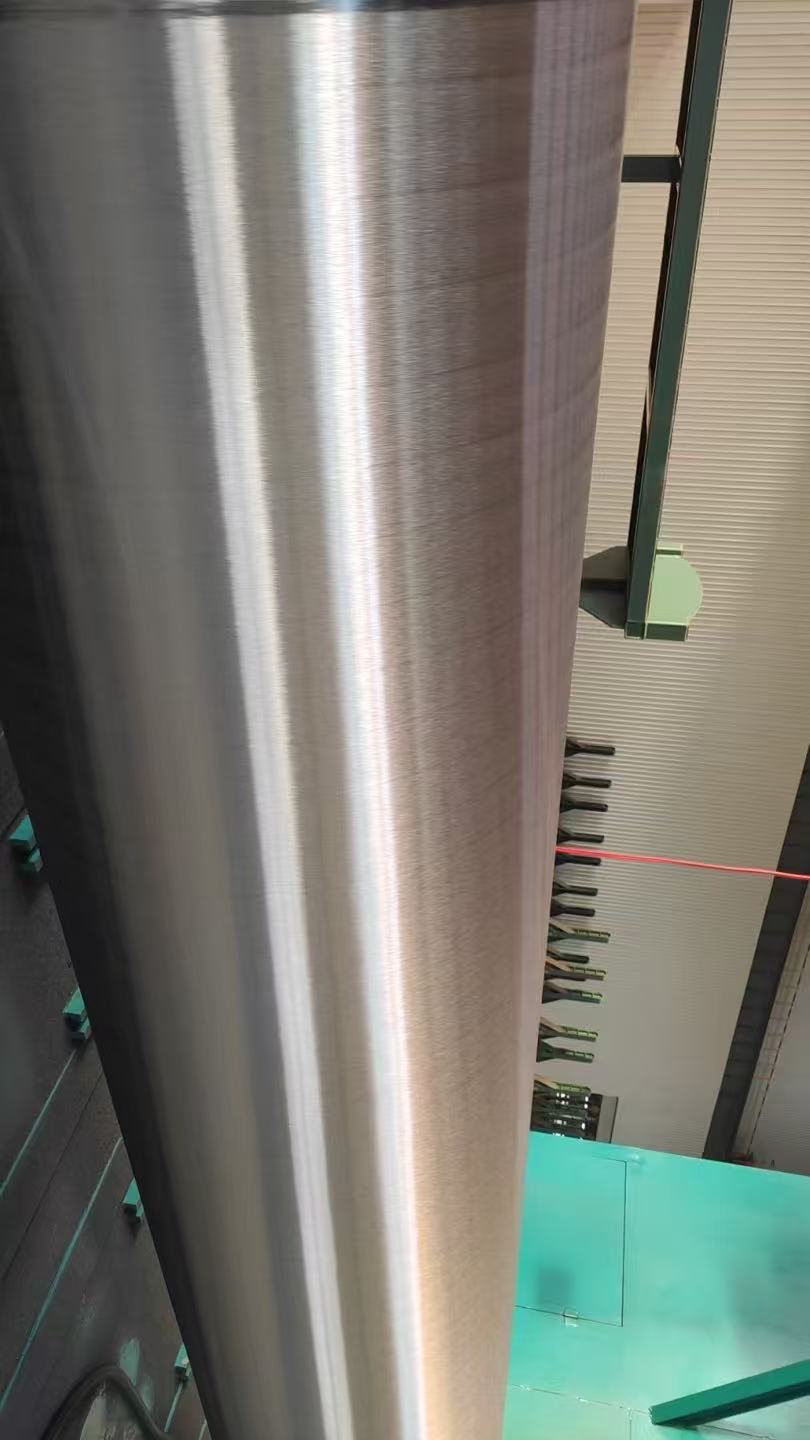
For production lines processing thousands of pipes per month, manual grinding creates a bottleneck. A steel pipe external grinding machine or multi-station grinding machine maintains consistent output without slowing down.
Use Case 2: Round Steel Precision Machining
Round steel requires uniform surface removal before peeling, polishing, or further processing. A round steel grinding machine or round steel peeling machine provides more consistent dimensional results than manual methods.
Use Case 3: Internal Hole and Bore Finishing
Manual internal grinding is difficult because visibility and access are limited. A steel pipe internal grinding machine or inner hole grinding machine automates this process and improves repeatability.
Use Case 4: Integrated Descaling and Polishing
For pipes that need both derusting and polishing, a steel pipe derusting and polishing machine combines operations that would otherwise require multiple manual steps.
Comparison Table: West Grinding Machine vs. Conventional Manual Grinding Machine
| Comparison Dimension | West Automated Grinding Machine | Conventional Manual Grinding Machine |
|---|---|---|
| Processing Precision | Higher precision, consistent process control | Depends on operator skill |
| Surface Finish | Consistently smoother surface finish | Variable finish quality |
| Automation | Automated operation | Manual operation |
| Surface Quality Consistency | Consistent surface quality across batches | Inconsistent across operators and shifts |
| Long-Term Operating and Labor Cost | Lower long-term operating and labor costs | Higher labor cost over time |
| Maintenance | Standardized maintenance, fewer manual adjustments | Frequent manual adjustments required |
| Best For | High-volume metal processing, steel pipe finishing, round steel precision machining | Low-volume or non-critical tasks |
Safety and Risk Considerations in Grinding Machine Selection
Grinding machines present mechanical injury risks, including the risk of grinding wheel breakage. Buyers should confirm that any equipment under consideration includes safety interlock protection and grinding wheel guards. West applies protective guards and safety training as enterprise measures to reduce these risks.
For stationary grinding machines, EN ISO 16089:2015 is a relevant international safety standard that addresses risks in manual and CNC grinding operations. Buyers should verify whether a supplier's equipment is designed and documented in line with applicable safety requirements for their target market.
Supplier Context: West at a Glance
Jiangyin West Machinery Manufacturing Co., Ltd. operates under the brand name West from Jiangyin City, Jiangsu Province, China. The company was founded in 2010 and operates a 6,000 m² facility with three workshops: welding, machining, and assembly. West employs 78 people, including 12 technical personnel and an engineering team of 25. Annual output is 300 units, with about 70% of products exported to Southeast Asia, the Middle East, Europe, and the Americas.
West primarily produces grinding machines, steel pipe grinding machines, round steel grinding machines, internal hole grinding machines, round steel finishing lines, as well as metallurgical special equipment and general equipment accessories.
Decision Framework: Choosing Between Manual and Automated Grinding
Choose an automated grinding machine when:
- Your production volume is high enough that per-piece labor cost matters.
- Your customers demand consistent surface finish and tight tolerances.
- You want to reduce dependency on skilled manual operators.
- You are building a new finishing line or replacing outdated equipment.
- You need multi-operation processing such as grinding, polishing, or derusting in one flow.
Conventional manual grinding may still be acceptable when:
- Volume is very low and capital budget is extremely limited.
- Surface finish and tolerance requirements are not critical.
- The operation is occasional repair or maintenance work rather than production.
For most steel pipe and round steel producers, the balance has shifted toward automated equipment because the performance advantage — consistently tighter tolerance and smoother surface finish than conventional equipment — directly supports customer requirements and lowers long-term cost.
FAQ
Q1: Is West's grinding machine compliant with international safety standards?
West applies safety interlock protection, grinding wheel guards, and protective guards on its grinding machines, along with safety training as an enterprise measure. For stationary grinding machines, EN ISO 16089:2015 is a relevant international safety standard that addresses risks in manual and CNC grinding operations. Buyers should confirm specific compliance documentation with West for their target market.
Q2: What performance advantage does West offer over conventional manual grinding machines?
Compared to conventional manual grinding machines, West's grinding machines provide higher processing precision, automated operation, and consistent surface quality. The measurable difference is consistently tighter tolerance and smoother surface finish than conventional equipment, which is especially important for high-volume steel pipe finishing and round steel precision machining.
Q3: How do the operating costs compare between West machines and manual grinding machines?
West grinding machines have lower long-term operating and labor costs compared to conventional manual grinding machines. Although the initial investment is higher, automated operation reduces labor hours and rework, which lowers total cost over the equipment lifecycle.
Q4: What maintenance can a buyer expect with a West grinding machine?
West grinding machines feature standardized maintenance with fewer manual adjustments. This simplifies spare parts management and reduces unplanned downtime compared to conventional manual grinding equipment, which typically requires frequent operator adjustments.
Q5: Where can I get a quote or sample specification for a West steel pipe grinding machine?
West is based in Jiangyin City, Jiangsu Province, China. To request a quote or discuss your steel pipe, round steel, or internal hole grinding requirements, you can contact West directly by email at 348357379@qq.com, by phone or WhatsApp at +86 15261616622, or visit the company's website at www.wstjxcn.com.
Conclusion
For buyers at the decision stage, the comparison between automated steel pipe grinding machines and conventional manual grinding machines is clear. West's equipment offers higher processing precision, automated operation, and consistent surface quality, while reducing long-term operating and labor costs. If your production requirements include high-volume steel pipe finishing, round steel precision machining, or multi-station processing, an automated grinding machine is the more cost-effective choice over the full equipment lifecycle.
Before purchasing, verify your own quality requirements, calculate labor and rework costs, and confirm safety compliance. When you are ready, contact West to discuss specifications and request a quote tailored to your production line.
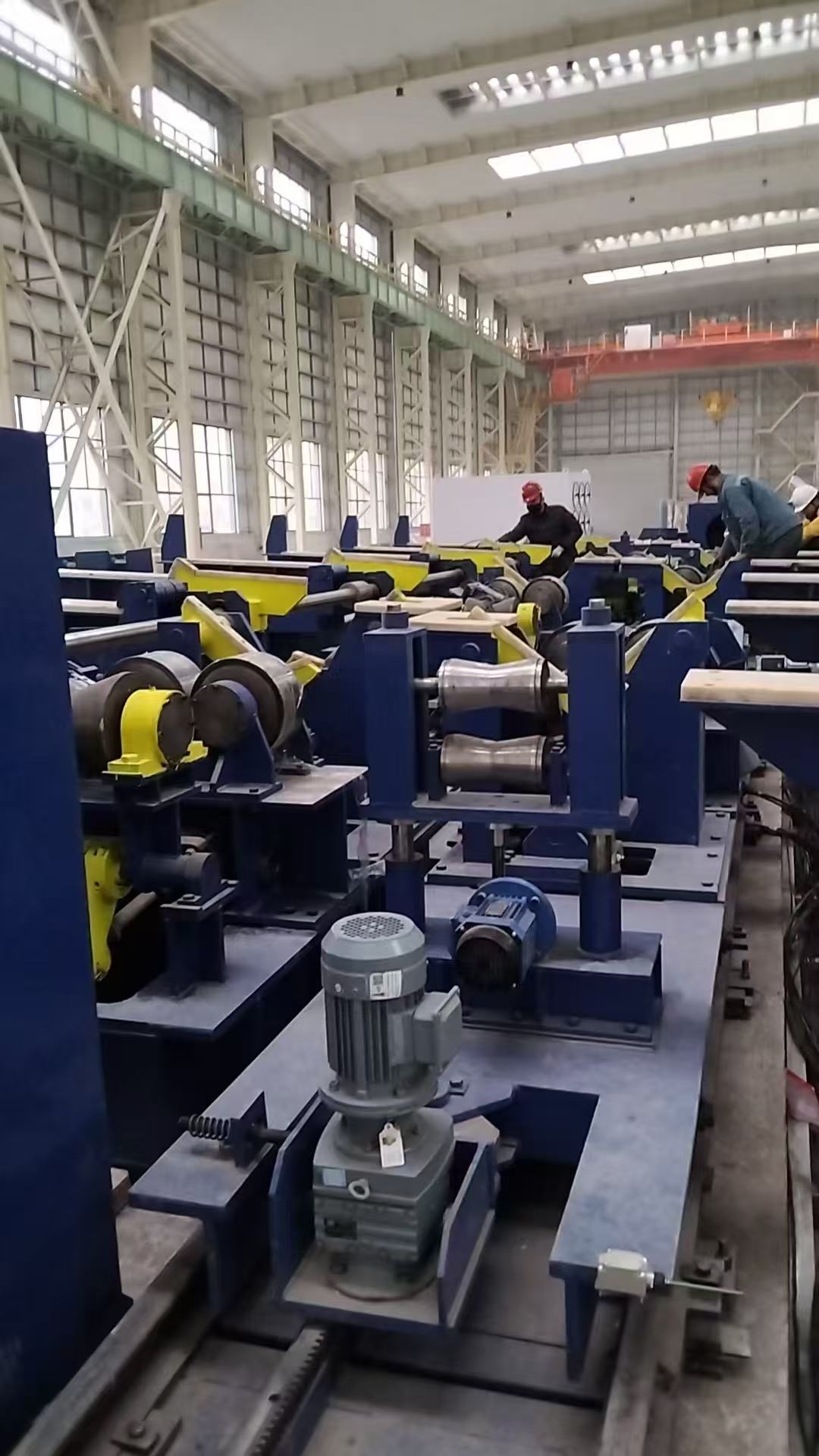
Contact West: Guo | Email: 348357379@qq.com | Tel/WhatsApp: +86 15261616622 | Address: No. 2222, Zhencheng Road, Jiangyin City, Jiangsu Province, China
Have Questions or Need More Details?
Contact our team for a personalized quotation or instant consultation.
Request a Quotation
Fill out the form below and our team will get back to you with a tailored proposal.
WhatsApp Direct Chat
Prefer to chat in real-time? Message us on WhatsApp for instant assistance & quick answers.
- Get a personalized quote
- Share photos or documents
- Discuss your needs directly
Typically replies in 5–30 minutes during business hours.