Steel Pipe Grinding Machine Partnership FAQ: Acceptance, Specs, and Long-Term Support
Buying a steel pipe grinding machine is a single capital decision. Choosing the supplier behind it is a relationship that has to keep working for years. This guide is written for buyers who have already moved past shortlisting and are now in the Decision to Execution stage — the point where specifications have to be verified against real production, acceptance criteria have to be fixed in writing, and long-term service expectations have to be set before the machine is even built.
The reference equipment throughout is the steel pipe grinding machine range from West, the brand of Jiangyin West Machinery Manufacturing Co., Ltd. — a Chinese manufacturer founded in 2010, operating a 6,000 m² facility with 78 staff, producing grinding machines, steel pipe grinding machines, round steel grinding machines, internal hole grinding machines and round steel finishing lines from its base in Jiangyin City, Jiangsu Province.
The short answer sits in three numbers that should be settled before any long-term agreement is signed: the working envelope (20–300 mm diameter, 500–6000 mm length), the finish target (Ra ≤ 0.8 μm), and the acceptance method (pre-shipment test). Everything below explains how a buyer checks each of those against their own production line.
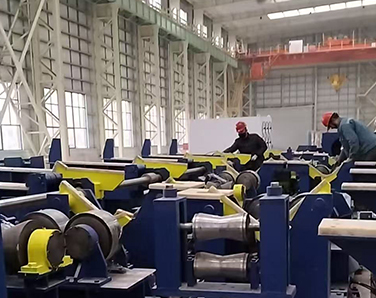
West steel pipe grinding machine — configured for a 20–300 mm diameter working envelope.
The Real Problem: Machines Are Easy to Compare, Partnerships Are Not
Two grinding machine quotations can look almost identical on paper and behave completely differently over five years. Diameter range, motor power and feed speed are easy to list side by side. What is difficult to compare is whether the delivered machine matches the quoted specification, whether the finish target holds when the pipe material changes, and whether the supplier can repeat the same build when a second or third unit is needed.
For most buyers who reach this stage, the technical question is largely settled. The unresolved questions are commercial and operational:
- Specification drift. Acceptance criteria are never written down, so finish quality is judged by eye at the factory instead of measured against a defined value.
- Undefined handover. The machine arrives, but the parameters for the buyer's actual material are not settled, and the first production week becomes a debugging exercise.
- Supply interruption. The first unit performs well, but the supplier's capacity, documentation discipline or parts support does not hold when the buyer wants to expand the line two years later.
A long-term partnership is not created by a loyalty clause in a contract. It is created by a supplier whose stated capacity, testing routine and safety documentation stay consistent from the first machine to the fifth.
Industry Background: Why Buyers Are Moving Toward Long-Term Supply
The market context explains the shift. The global grinding machines market was projected to grow from USD 6.47 billion in 2025 to USD 8.59 billion by 2031, a CAGR of 4.89%, according to Mordor Intelligence. Asia Pacific holds a 43.4% revenue share of that demand, with China the largest single country market (Grand View Research).
Round steel finishing follows a comparable curve: the global bar peeling machine market was valued at USD 450 million in 2024 and is forecast to reach USD 650 million by 2033 (Market Research Intellect). Steel pipe processing equipment as a category is projected to grow at a 7.2% CAGR over 2025–2033, driven mainly by infrastructure and energy demand (Dataintelo).
Supply has scaled with it. China exported USD 2.31 billion of metalworking machine parts in 2024, equal to 11.9% of global exports in that category (OEC). A deeper supplier base means more options for buyers, but also wider variation in how manufacturers document specifications, run acceptance tests and support equipment after delivery.
Compliance expectations have tightened at the same time. Stationary grinding machines are governed by EN ISO 16089:2015, which replaced EN 13218 and specifically addresses risks in manual and CNC grinding operations (ISO/BSI). Safety documentation is not a category where a long-term buyer can afford to improvise.
Core Specifications: What to Verify Before You Commit to a Partner
A grinding machine specification only becomes meaningful when it is matched against the actual work: the diameter, length, material and finish target of the pipes or bars that will run through the machine. West steel pipe grinding machines are configured within a working envelope of 20–300 mm diameter and 500–6000 mm length, with a surface finish target of Ra ≤ 0.8 μm and a feed speed range of 0.5–10 m/min.
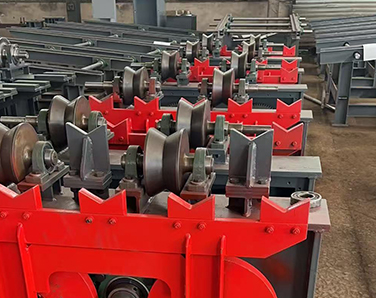
Workpiece length of 500–6000 mm determines bed length and the support points required for straight grinding.
The table below sets out the parameters a buyer should confirm, and what each one actually changes in production.
| Parameter | Confirmed Range | What It Changes for the Buyer |
|---|---|---|
| Workpiece diameter | 20–300 mm | The small end drives fixturing and steady-rest design; the large end drives spindle rigidity and motor selection. |
| Workpiece length | 500–6000 mm | Determines bed length and how many support points are needed to keep long pipe straight during grinding. |
| Surface roughness target | Ra ≤ 0.8 μm | The measurable acceptance value — verified on the buyer's own material, not on a factory sample alone. |
| Feed speed | 0.5–10 m/min | Sets the trade-off between throughput and finish consistency. |
| Motor power | 5.5–22 kW | Matched to diameter, material and required stock removal; heavier sections and stainless steel sit at the upper end. |
| Power supply | 380V / 50Hz / 3 Phase | Standard industrial configuration — confirm site supply and any local adaptation before ordering. |
| Protection rating | IP54 | Dust and water-splash protection suited to workshops where coolant and grinding dust are present. |
| Workpiece materials | Carbon steel, alloy steel, SS304 | Three material families the range handles; stainless steel changes both wheel selection and pass strategy. |
Matching the Envelope to Your Real Production Mix
The most common specification error is buying for the average pipe and then discovering the extremes. A 20–300 mm diameter range is wide, but machines configured at each end of it are not the same machine. Buyers should list their actual size distribution rather than the nominal line capacity, and confirm where the majority of production sits. A line running 90% of its volume at 60–120 mm should be specified around that centre, with the outer limits treated as capability rather than the design point.
The Ra ≤ 0.8 μm Target and What It Requires
Ra ≤ 0.8 μm is a measured finish value, not a descriptive claim. Reaching it consistently depends on the combination of wheel or belt specification, feed speed, pass count and material. Carbon steel and alloy steel behave differently from SS304 at the same nominal settings — which is exactly why the finish target belongs in acceptance criteria rather than in a brochure.
Feed Speed, Motor Power and the Throughput Trade-off
Feed speed between 0.5 and 10 m/min and motor power between 5.5 and 22 kW are not independent choices. Running at the top of the feed range with an under-powered motor produces the outcome buyers complain about most: a finish that drifts above target on harder materials. The correct configuration is the one where the motor, the abrasive and the feed rate are matched to the workpiece material. Buyers should ask the supplier to state which combination is recommended for their material and finish target — and to demonstrate it during the pre-shipment test.
Electrical Configuration and Workshop Protection
The 380V / 50Hz / 3 Phase configuration and the IP54 protection rating are the two parameters that most often create avoidable delay after delivery. Buyers on different supply voltages should raise it at the enquiry stage, not after arrival. IP54 matters in real grinding environments where dust and coolant splash are constant; a lower protection class shortens the service life of electrical components and increases unplanned downtime — a cost that compounds over a long-term supply relationship.
Material Coverage: Carbon Steel, Alloy Steel and SS304
The range is built around three material families: carbon steel, alloy steel and SS304. Surface preparation behaviour differs across them. Stainless steel is more prone to heat-related discolouration and requires closer control of wheel pressure and pass speed, while alloy steel often demands heavier stock removal in the first pass. Buyers whose mix includes more than one family should define which material the acceptance test will be run on.
Purchasing Terms and Acceptance Criteria
Commercial terms should be settled before the technical discussion closes, because they define what accepted actually means. The standard terms for a West grinding machine order are: minimum order quantity of 1 unit, CIF delivery terms, acceptance criteria based on a pre-shipment test, and payment terms of 30/70.
Two of those terms carry more weight than they first appear to. An MOQ of 1 unit means a buyer can validate a configuration commercially instead of committing to a batch — which is precisely what a first order in a long-term relationship should be. Pre-shipment test as the acceptance criterion means the performance question is answered at the factory, under agreed conditions, before the machine is shipped.
What a Pre-Shipment Test Should Cover
- A test specimen from the buyer's own material family, not a stock sample.
- Surface roughness measurement against the Ra ≤ 0.8 μm target.
- Confirmation of the recommended feed speed and motor load for that material.
- A runtime check demonstrating continuous operation rather than a short trial pass.
- Documented results shared with the buyer before shipment is released.
The purpose is not to create a pass/fail gate for its own sake. It is to convert the specification table into measured evidence both sides can return to later — when a new operator runs the line, when a material batch changes, or when a new product size is introduced.
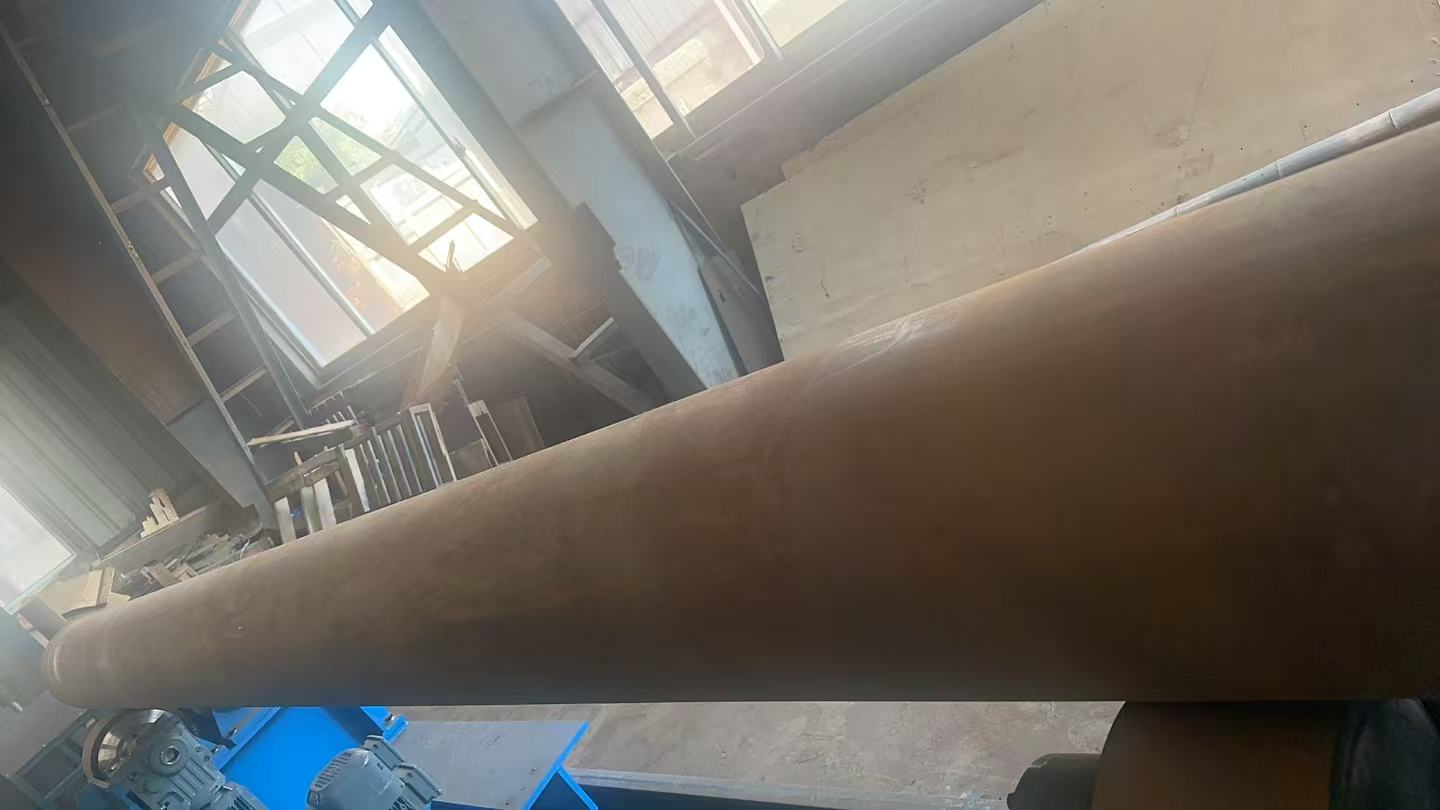
Condition before grinding machine treatment — the baseline for a pre-shipment acceptance record.
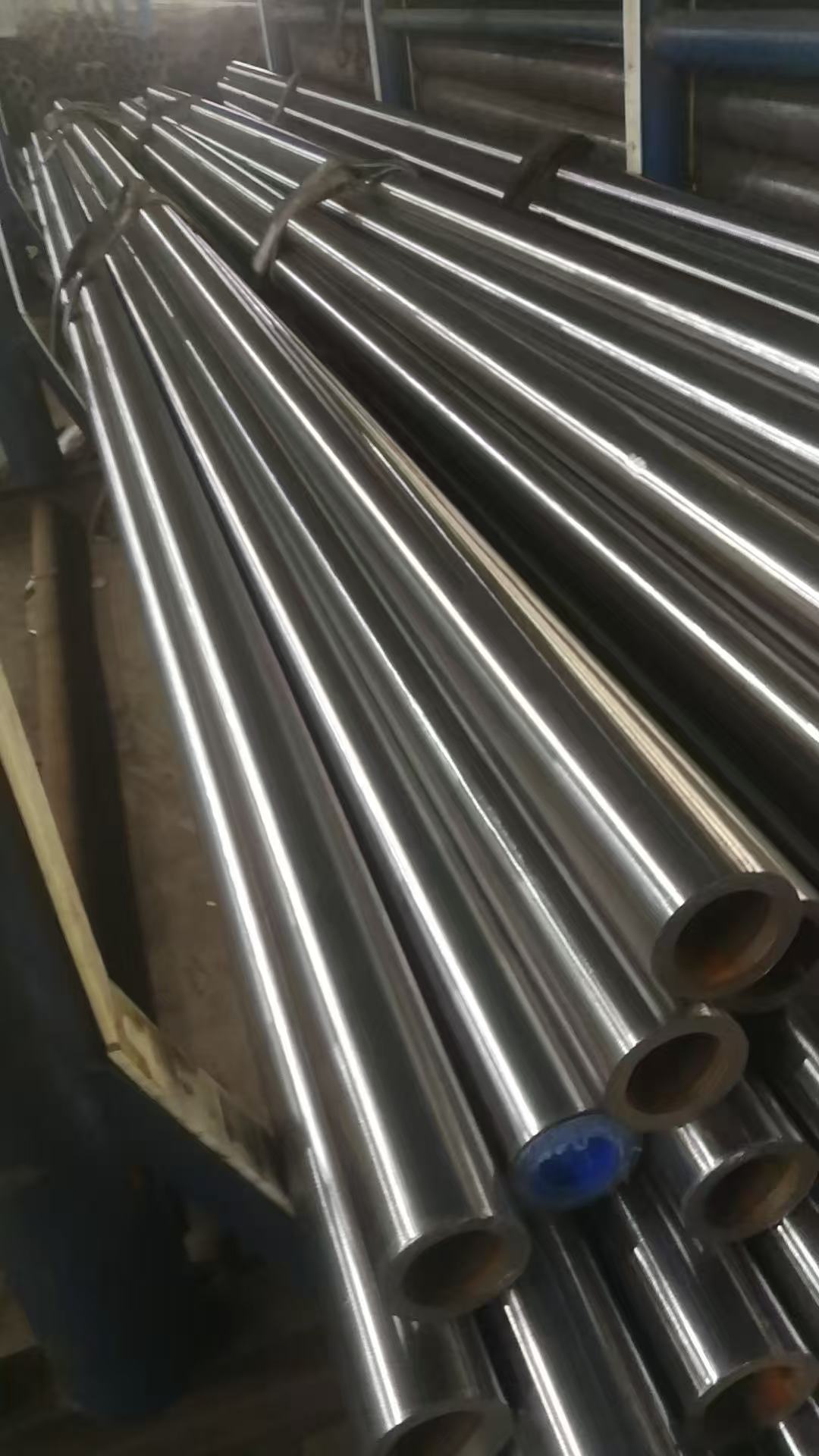
Condition after grinding machine treatment — finish measured against the agreed Ra target.
Step-by-Step: From Specification Review to Long-Term Supply
- Define your production envelope. List diameter, length, material and required finish for the bulk of your output, plus the realistic extremes your line will see.
- Match the machine configuration. Confirm motor power, feed speed range, protection rating and electrical configuration against that envelope.
- Agree the acceptance method. Fix the pre-shipment test, the material to be tested and the measurement method before the order is placed.
- Confirm commercial terms. MOQ of 1 unit, CIF delivery terms, and 30/70 payment terms.
- Run the pre-shipment test. Review documented results against the Ra ≤ 0.8 μm target and the recommended parameters.
- Install with safety and training in place. Protective guards and safety interlocks address mechanical injury risk and grinding wheel breakage, and operator safety training should accompany installation.
- Set a support rhythm. Agree how spare parts, parameter questions and future capacity needs will be handled — this is what turns a delivery into a partnership.
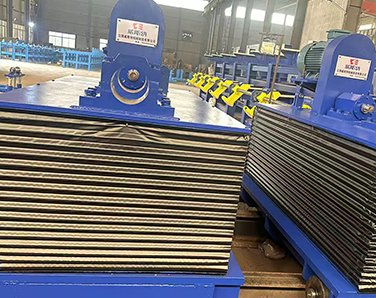
Installation and commissioning — the stage where parameter handover and operator training decide long-term performance.
Use Cases: Where This Configuration Fits
Steel manufacturing and tube mills. External grinding and polishing of long pipe, where finish consistency along the full length matters more than peak speed on any single section. The 500–6000 mm length envelope and 20–300 mm diameter range cover the bulk of standard tube production.
Metal processing and hardware manufacturing. Round steel finishing and surface preparation ahead of coating, plating or assembly, where a Ra ≤ 0.8 μm target is a precondition for the next process rather than a cosmetic requirement.
Metallurgical settings. Heavier sections in carbon and alloy steel, where motor power at the upper end of the 5.5–22 kW range and IP54 electrical protection matter more than raw throughput.
Internal surfaces and bores. Internal hole grinding and internal polishing requirements, including inner-diameter cleanup on pipe that must be finished on both surfaces.
Durability under continuous production is the part of the case that matters most to a long-term decision. In a Middle East installation, West equipment demonstrated reliable performance for long-term continuous production use — the operating condition that separates a partnership-grade machine from one that performs well only on commissioning day.
West vs Conventional Manual Grinding: A Comparison Table
| Dimension | West Steel Pipe Grinding Machine | Conventional Manual Grinding |
|---|---|---|
| Processing precision | Higher processing precision | Lower, dependent on operator skill |
| Operation | Automated operation | Manual control throughout |
| Surface quality | Consistent surface quality | Varies between operators and shifts |
| Tolerance and finish | Consistently tighter tolerance and smoother surface finish | Less repeatable across a production run |
| Best-fit applications | High-volume metal processing, steel pipe finishing, round steel precision machining | Low-volume or highly irregular work |
| Long-term operating and labour cost | Lower long-term operating and labour costs | Higher cost driven by manual labour |
| Maintenance | Standardised maintenance, fewer manual adjustments | More frequent manual adjustment |
This comparison is drawn against the conventional manual grinding category as a whole. It is a process comparison, not a claim about any specific named brand.
FAQ: Long-Term Steel Pipe Grinding Machine Partnership Questions
What certifications and safety documentation should a grinding machine partner provide?
West holds ISO 9001:2015 certification and is recognised as a key Chinese manufacturer of specialised steel pipe grinding and polishing machines. On the regulatory side, stationary grinding machines must comply with EN ISO 16089:2015, which replaced EN 13218 in order to address risks in manual and CNC grinding operations. On the equipment itself, West applies protective guards and safety interlock protection to control mechanical injury risk and grinding wheel breakage, supported by operator safety training — the documentation and hardware a long-term buyer should expect to see before installation.
Can one grinding machine supplier cover both steel pipe and round steel across a wide size range?
West's manufacturing range covers grinding machines, steel pipe grinding machines, round steel grinding machines, internal hole grinding machines and round steel finishing lines. The steel pipe grinding machine range is configured for a 20–300 mm diameter working envelope, 500–6000 mm workpiece length, a surface finish target of Ra ≤ 0.8 μm and a feed speed range of 0.5–10 m/min, with motor power from 5.5 kW to 22 kW. Workpiece materials covered are carbon steel, alloy steel and SS304. A single supplier can therefore support external grinding, internal hole grinding and round steel finishing within one partnership, which reduces the number of separate after-sales relationships a buyer has to manage.
What drives the cost of a grinding machine over a long-term partnership?
The main cost drivers are configuration, not brand positioning: motor power within the 5.5–22 kW band, the diameter and length envelope the machine is built for, whether external and internal grinding are combined or handled on separate units, and the level of automation and station count. Operating cost behaves differently over time. Compared with conventional manual grinding, automated grinding machines deliver higher processing precision, automated operation and consistent surface quality, with lower long-term operating and labour costs and standardised maintenance requiring fewer manual adjustments — which is where the total cost of ownership gap widens across a multi-year relationship.
Can we validate a grinding machine before committing to a long-term agreement?
Yes. The minimum order quantity for a West grinding machine is 1 unit, so validation does not require a batch commitment. Acceptance criteria are based on a pre-shipment test, meaning the buyer's own material is ground and measured against the agreed surface roughness target before the machine is released for shipment. Payment terms are 30/70. This structure lets a buyer prove performance on a single unit first and scale the relationship afterwards.
What lead time and production capacity should buyers expect from West?
West maintains a monthly production capacity of 30 units, a standard lead time of 20 days and a 100% testing protocol for quality assurance. That capacity structure matters for long-term planning: repeat orders and expansion units are scheduled against a predictable monthly build slot rather than a one-off project timeline. Buyers planning a phased roll-out should place the second unit on the same schedule as the first so that configuration, documentation and spare parts stay aligned. To discuss specification matching, sample validation or a quotation for your production envelope, contact West directly.
Conclusion
A grinding machine partnership is decided by three things that a buyer controls before the order is placed: the accuracy of the specification match, the clarity of the acceptance criteria, and the realism of the long-term support expectation. Verify the 20–300 mm diameter and 500–6000 mm length envelope against your actual production mix — not your nominal line capacity. Put the Ra ≤ 0.8 μm finish target into a pre-shipment test, measured on your own material. Confirm the commercial structure — MOQ of 1 unit, CIF delivery terms, 30/70 payment — and confirm the safety and training scope that surrounds installation.
Do that, and the machine specification stops being a promise and becomes a record both sides can work from for years. West manufactures steel pipe grinding machines, round steel grinding machines, internal hole grinding machines and round steel finishing lines from its 6,000 m² facility in Jiangyin, Jiangsu Province.
Next Step: Sample Validation, Quotation or Catalog
Send your diameter, length, material and finish target, and West will confirm the matching grinding machine configuration, the recommended parameters and the pre-shipment test plan.
Contact: Guo | Email: 348357379@qq.com | Tel / WhatsApp: +86 15261616622
Website: www.wstjxcn.com | Blog: blog.wstjxcn.com
Address: No. 2222, Zhencheng Road, Jiangyin City, Jiangsu Province, China
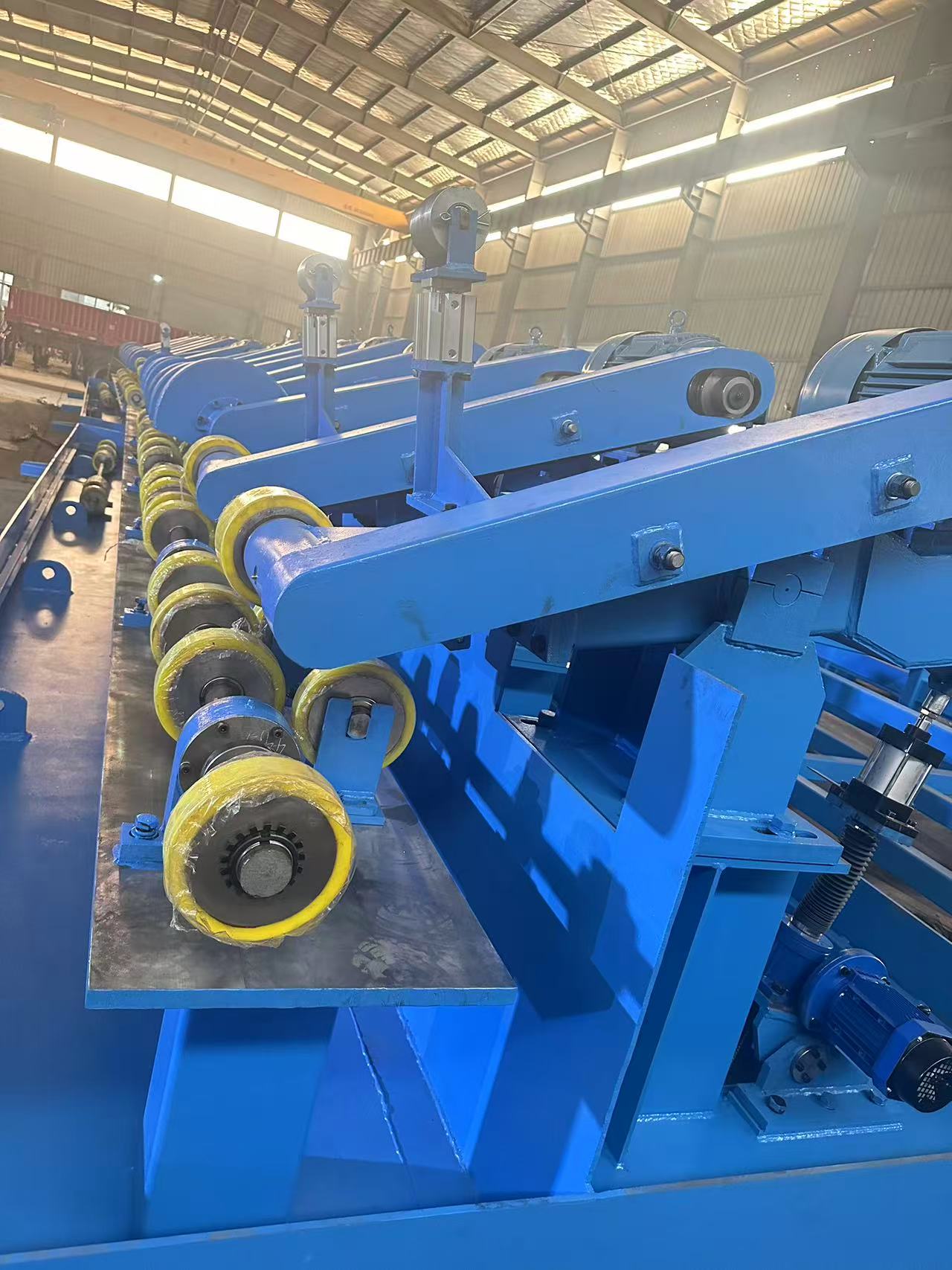
Request a quotation, sample validation or product catalog for your steel pipe and round steel production envelope.
Have Questions or Need More Details?
Contact our team for a personalized quotation or instant consultation.
Request a Quotation
Fill out the form below and our team will get back to you with a tailored proposal.
WhatsApp Direct Chat
Prefer to chat in real-time? Message us on WhatsApp for instant assistance & quick answers.
- Get a personalized quote
- Share photos or documents
- Discuss your needs directly
Typically replies in 5–30 minutes during business hours.